Travel that gives back.
Uganda's mountain gorillas are the only great ape population on earth whose numbers are rising. That did not happen by fencing people out — it happened by giving the families who live beside the forest a stake in keeping it standing. Your trip is part of that arrangement.
Of Uganda Wildlife Authority's annual park revenue is shared directly with communities bordering the parks.
From every gorilla permit sold goes straight to community projects around Bwindi & Mgahinga — 95% reaches the community level.
National parks, wildlife reserves and sanctuaries protected under Uganda's conservation estate.
Mountain gorillas now living wild — more than half the world's population found in Uganda.
Figures based on Uganda Wildlife Authority's published revenue-sharing policy and conservation estate.
Four commitments that shape every itinerary.
None of these add cost to your trip. They simply decide which lodge we book, which guide meets you, and who is paid when you walk into a village.
Wildlife Conservation
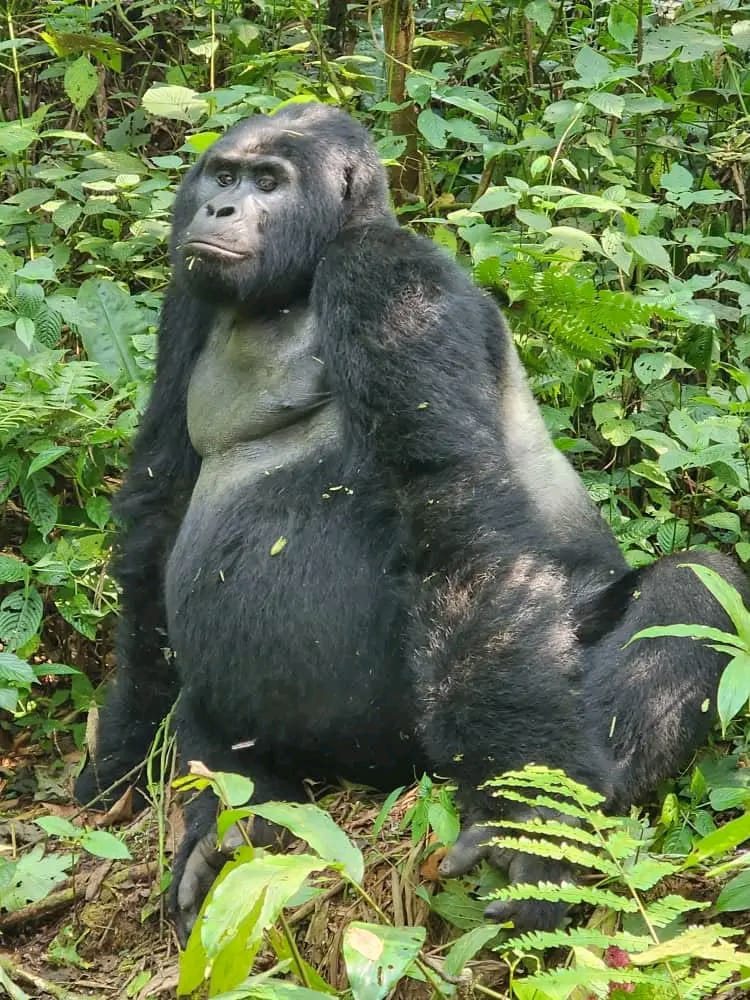
Every permit fee funds ranger salaries, anti-poaching patrols, veterinary monitoring and habitat protection. We work only with parks, conservancies and operators who put a measurable share of tourism revenue back into protecting the species you've come to see.
Community Partnerships
Trackers, guides, porters and lodge staff across our itineraries are drawn overwhelmingly from villages bordering the parks. Revenue-sharing schemes fund schools, clinics, water systems and roads in the communities that live alongside — and protect — Uganda's wildlife.
Cultural Respect
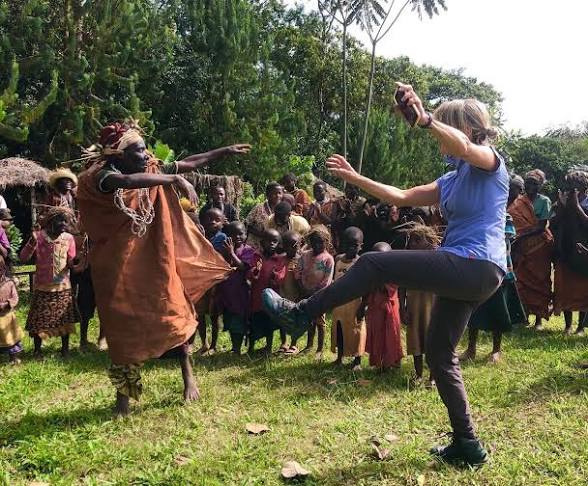
Village walks, coffee tours and Batwa cultural encounters are arranged directly with the communities involved, on their terms, at fair rates. We treat cultural visits as an exchange, not a photo opportunity — always with consent, and never staged for a schedule.
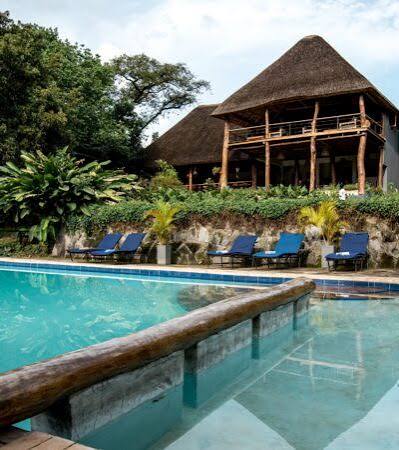
Environmental Stewardship
We favour lodges and camps that manage their own water, limit single-use plastic and build with minimal impact on the surrounding forest and savannah. Where a lower-impact option exists at a similar standard of comfort, that's the one we recommend first.
What you can do, while you're here.
Small habits, repeated by every visitor, are what make the difference between tourism that erodes a place and tourism that pays for its protection.
- Keep the required distance from gorillas and other wildlife — it protects them from human disease as much as it protects you.
- Never trek if you're feeling unwell; mountain gorillas share close to 98% of our DNA and are highly susceptible to human respiratory illness.
- Tip guides, rangers and porters fairly and directly — it's one of the most meaningful income transfers a visit makes.
- Ask before photographing people, and support community-guided cultural visits rather than informal roadside stops.
- Carry out what you carry in, and choose lodges that visibly manage water and plastic responsibly.
- Buy directly from local cooperatives — coffee, crafts and produce — where a far greater share of the price stays in the community.
Let's build a trip that gives back.
Tell us what matters to you — community stays, a conservation talk with the rangers, buying straight from a women's cooperative — and we'll write it into the days rather than bolt it on at the end.